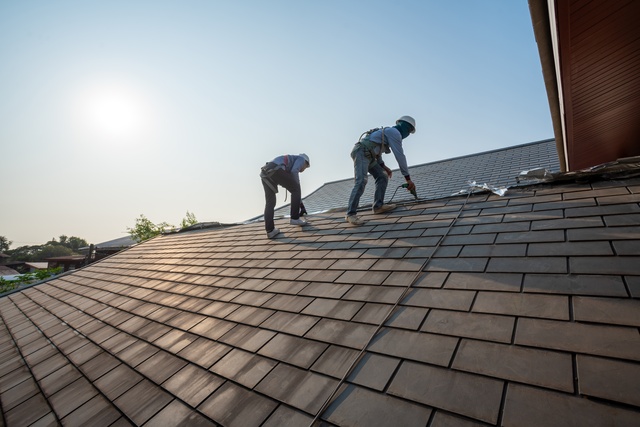
What To Think About Before Choosing Roofing Materials
Your roof does more than complete your home’s appearance. It protects the structure from changing weather while influencing comfort and long-term maintenance costs. Choosing a material deserves careful consideration because every option brings different advantages and limitations. Understanding what to think about before choosing roofing materials helps you make a decision that suits your property rather than simply following neighborhood trends.
Consider Your Local Weather Conditions
Your climate should guide your roofing decision from the beginning. Materials that perform well in dry regions may struggle where heavy snowfall or frequent storms create additional demands.
In areas with substantial snowfall, a roof must handle accumulated weight and repeated freezing conditions. Metal roofing can shed snow effectively when installers design the system appropriately, although snow guards may be necessary near entrances. Asphalt shingles also work in many cold climates when contractors use suitable underlayment and ventilation practices.
Homes in hot climates face different challenges. Prolonged sun exposure can accelerate deterioration in certain roofing products. Look for materials with appropriate heat resistance and consider how their surface characteristics influence indoor temperatures.
Evaluate the Lifespan of Each Material
Roofing materials vary considerably in how long they can serve a home. Standard asphalt shingles generally require replacement sooner than many metal or tile systems, although actual performance depends on installation quality and environmental conditions. A longer expected lifespan can justify a higher initial expense when you plan to remain in your home.
However, durability involves more than a manufacturer’s advertised lifespan. Falling branches can damage roofing surfaces, while inadequate attic ventilation can shorten the life of some systems. Ask contractors how a particular material performs under conditions similar to yours.
Understand the Total Installation Cost
The price of roofing materials represents only part of your investment. Labor requirements can vary substantially depending on the product and the complexity of your roof. Heavy materials may require structural reinforcement, while certain specialty systems demand installers with specific training.
Request detailed estimates that explain preparation work and disposal costs. Although they cannot always identify concealed problems beforehand, a clear discussion about potential expenses can reduce surprises during installation.
Consider future costs as well. An affordable roofing option may need more frequent repairs or earlier replacement. Conversely, a premium system might exceed your budget without providing enough additional benefit for your circumstances. Compare the complete ownership cost against your expected time in the property.
Check Your Home’s Structural Requirements
Not every roof can support every roofing material without modifications. Clay and concrete tiles weigh considerably more than many conventional alternatives. Before choosing a heavier product, have a qualified professional assess whether your roof framing can carry the additional load.
Roof slope also matters. Some materials need a minimum pitch to drain water correctly, while low-slope sections may require specialized membranes. Using a product outside its approved application can invite leaks and complicate warranty coverage.
Numerous valleys or dormers create additional cutting and flashing work. Discuss these details with your contractor before deciding which material offers the best combination of performance and practicality.
Think About Energy Efficiency and Comfort
Roofing affects how much heat enters your home during warmer months. Reflective surfaces can reduce solar heat absorption, although the overall result depends on insulation and the surrounding climate. When comparing finishes, consider how roof color impacts your home’s energy efficiency alongside the material’s other performance characteristics.
Lighter colors often reflect more sunlight than darker shades, but specialized coatings can change that relationship. In colder regions, the ideal choice may differ because winter heating needs also influence household energy use.
Remember that roofing works as part of a larger system. Proper attic insulation and balanced ventilation can contribute significantly to comfort for your household. A new roof presents an opportunity to address existing airflow problems instead of expecting the surface material alone to solve them.
Match the Roof to Your Home’s Style
Your roof occupies a prominent place in your home’s exterior appearance. Its texture and color should complement the architecture without overwhelming surrounding features. Traditional houses may suit dimensional asphalt shingles, while certain contemporary designs pair naturally with standing seam metal.
Look at material samples outdoors before making your final selection. Colors can appear different in natural light than they do on a showroom display.
Neighborhood rules may also affect your choices. Some homeowners associations restrict certain roofing colors or products. Check applicable requirements early to avoid choosing a material that violates local regulations or requires additional approval.
Consider Maintenance and Repair Needs
Every roofing system requires periodic attention, even when manufacturers describe it as low maintenance. Debris accumulation can interfere with drainage, and severe weather may loosen components. Choose a material whose upkeep fits your available time and budget.
Consider how easily local professionals can repair the roof. Common asphalt shingles are widely available, making isolated repairs relatively straightforward. Specialty tiles or uncommon metal finishes may require matching products that take longer to obtain. Ask whether replacement pieces will remain accessible if damage occurs years later.
Arrange professional evaluations after major storms and address small problems before moisture reaches the underlying structure. Consistent care can help a well-installed roofing system reach its expected service life.
Review Warranties and Contractor Experience
A strong product warranty cannot compensate for poor installation. Review what the manufacturer’s coverage includes and whether specific installation practices affect eligibility. Pay attention to exclusions involving storm damage or inadequate ventilation.
Ask potential contractors about their experience with your preferred material. Request examples of comparable projects and confirm that they carry appropriate insurance. A contractor who understands the selected system can explain flashing details and installation requirements clearly.
Make a Confident Roofing Decision
Knowing what to think about before choosing roofing materials allows you to balance immediate affordability with lasting performance. Consider your home’s structural needs and the demands of your climate before comparing appearance or price. Take time to review estimates, discuss maintenance expectations, and choose a qualified installer. With careful planning, your new roof can protect your home while supporting its comfort and appearance for years to come.


You May Also Like

How to Make Your Home Look Extravagant without Breaking the Bank

Is Your Own Home Making You Sick?

