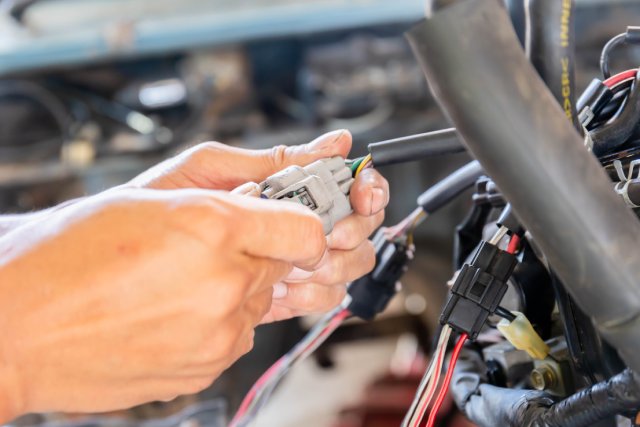
Benefits of Using 3-Pin Connectors in Automotive Systems
Ever peeked under the hood of your car or behind the dashboard and felt like you were looking at a plate of spaghetti? All those wires can be a real maze. The small components often make the biggest difference in the complex world of automotive electronics. That’s where 3-pin connectors come in. Let’s dive into the five key benefits of using 3-pin connectors in automotive systems.
Simplified Wiring
One of the most significant advantages of using 3-pin connectors is how they streamline a vehicle’s wiring harness. Modern cars contain sensors and electronic modules that need to communicate with each other. A 3-pin connector can handle power, ground, and signal all in a single, compact unit. This design drastically reduces the number of individual wires needed. When you compare 3-pin and 2-pin connectors, the difference becomes clear. While a 2-pin connector can manage power and ground, it requires a separate wire for the signal.
This difference might not sound like a big deal for one component, but when you multiply that across hundreds of sensors, the wiring becomes incredibly cluttered. By consolidating these functions, 3-pin connectors make the entire electrical layout cleaner and more organized.
Enhanced Reliability
A tidy wiring system isn’t just about looks; it directly impacts reliability. With fewer wires and connection points, there are simply fewer opportunities for things to go wrong. Every connection is a potential point of failure, whether from vibration, corrosion, or physical damage. By bundling three functions into one secure connection, 3-pin connectors minimize these risks.
This consolidation results in a more robust and dependable electrical system. Vehicles equipped with these connectors are less prone to the intermittent electrical gremlins that can be a nightmare to diagnose, giving you more peace of mind on the road.
Cost-Effective Solution
In the automotive industry, every penny counts. Using 3-pin connectors offers a surprisingly effective way to cut costs without sacrificing quality. The savings come from multiple areas. First, reducing the amount of wire needed for the harness directly lowers material costs. Second, a simpler wiring layout means a faster and less labor-intensive assembly process on the production line.
Big Space Savings
Space is a premium commodity in modern vehicles. As cars become loaded with more technology, from advanced driver-assistance systems to intricate infotainment units, finding room for every component is a major challenge for engineers. The compact nature of 3-pin connectors helps address this issue.
By combining three connections into one, they take up less physical space than multiple individual connectors. This space-saving allows designers to fit more electronics into tight areas, like inside door panels or behind a crowded dashboard, without compromising on functionality or creating a tangled mess.
Easy Installation and Maintenance
Anyone who has worked on a car knows how frustrating electrical repairs can be. The simplified design of 3-pin connectors makes both initial installation and later maintenance much easier. Their plug-and-play nature means technicians can connect or disconnect components quickly and confidently.
This quickness is a huge improvement over older systems that might require splicing or soldering multiple wires. When a sensor or module fails, a mechanic can swap it out in a fraction of the time, reducing labor costs and getting your car back on the road faster.
As automotive technology continues to advance, the role of smart, efficient, and beneficial components like 3-pin connectors will only grow. They are a perfect example of how small innovations can lead to major improvements in simplicity, reliability, and overall performance. To see how these connectors can fit into your next automotive project, explore our full range of innovative solutions today.


You May Also Like

Evergreen Content That Works Year After Year

How To Handle Big Life Changes

