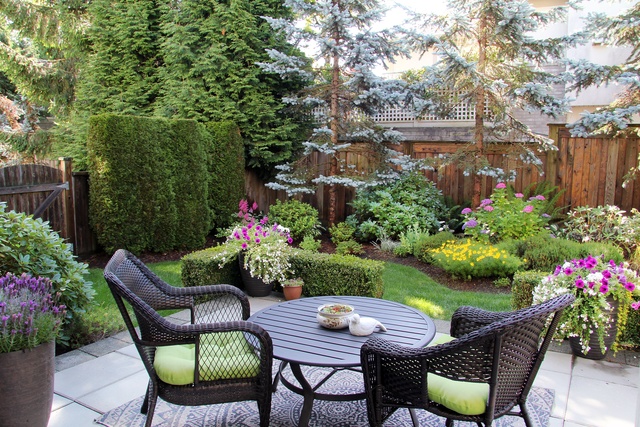
Budget-Friendly Ways To Improve Your Backyard
A beautiful backyard doesn’t require expensive renovations or professional landscaping. Small changes can make an outdoor space feel more welcoming while keeping household expenses under control. Whether you have a spacious lawn or a compact patio, thoughtful upgrades can help you enjoy the area more often. The key involves working with what you already own and choosing improvements that offer lasting value. These budget-friendly ways to improve your backyard focus on practical projects that refresh your surroundings without demanding a major investment.
Start With a Thorough Backyard Cleanup
Before buying anything new, spend time clearing away items that make your backyard feel crowded. Remove fallen branches, pull weeds, and collect unused containers that have accumulated around the property. Trim overgrown shrubs to reveal existing garden features and open up walking areas. Even a simple cleanup can make a neglected yard appear larger and more inviting.
Pay particular attention to corners that collect clutter. Organize gardening supplies in containers you already own, and move seasonal equipment into appropriate storage. Once you finish, evaluate the space again.
Refresh Existing Patio Furniture
Outdoor seating often shows signs of age long before it stops functioning. Instead of replacing sturdy chairs or tables, consider giving them a fresh finish. Clean each piece thoroughly, tighten loose hardware, and sand rough surfaces when appropriate. Choose outdoor paint or a protective finish that suits the furniture material.
You can also improve the look of worn patio furniture with affordable replacement cushions or washable covers. Select colors that complement the surrounding landscape rather than purchasing an entirely new matching set. A little maintenance can restore comfort while extending the usefulness of items you already have.
Create Affordable Garden Borders
Defined garden beds make a yard look intentional, even when the plants themselves remain simple. Use leftover bricks or reclaimed stones to separate planting areas from the lawn. Arrange materials along gentle curves or straight edges that suit your existing landscape.
Avoid purchasing decorative edging before checking what materials you have available. Neighbors may also have unused landscaping supplies from completed projects. Whatever you choose, install the border securely so it stays level during ordinary yard maintenance.
Grow Plants From Seeds and Cuttings
Buying mature plants can quickly consume a landscaping budget. Seeds offer a less expensive way to fill garden beds with seasonal flowers or herbs. Choose varieties suited to your climate and follow their planting requirements. Starting with a small selection gives you time to learn which plants thrive in your yard.
You can also propagate suitable plants from healthy cuttings. Ask friends whether they have established plants they can divide or share. Research each plant’s growing habits before adding it to your landscape, particularly if it spreads aggressively. Patience often produces a fuller garden at a fraction of the cost of mature nursery plants.
Add Character With Repurposed Containers
Planters don’t need expensive finishes to become attractive backyard accents. Clean unused buckets or wooden boxes and adapt them for outdoor planting when their materials allow. Make sure each container provides adequate drainage and can safely hold damp soil. Position containers near seating areas to add greenery without constructing permanent beds.
For a cohesive appearance, use similar paint colors on mismatched containers. You can also group pots of different heights to bring dimension to an empty corner.
Improve Walkways With Simple Materials
A clear pathway makes it easier to move through the backyard without stepping on garden beds. If you already have stepping stones, reposition them to create a more convenient route. For a new walkway, consider affordable gravel or reclaimed pavers that suit your space.
Prepare the ground carefully before installing materials. Remove weeds and establish a stable base appropriate for the surface you choose. A thoughtfully placed path can connect your patio to a garden while making the entire yard feel more organized.
Introduce Outdoor Lighting Strategically
Lighting can make a familiar backyard feel inviting after sunset. Solar pathway lights offer a convenient option in locations that receive adequate daylight. Place them along frequently used routes rather than scattering them across every available surface. This approach creates a consistent appearance without requiring many fixtures.
For a seating area, consider outdoor-rated string lights attached to suitable supports. Follow the manufacturer’s installation guidance and keep electrical connections protected from moisture. Focus on areas where lighting improves comfort or visibility instead of illuminating the entire property.
Make a Comfortable Seating Corner
You don’t need an elaborate deck to create a relaxing outdoor retreat. Identify a level area with pleasant views and enough room for the seating you already own. Rearrange furniture to encourage conversation and leave space for people to move comfortably. A small side table can make the arrangement more useful for everyday relaxation.
If the area receives strong afternoon sun, consider relocating the seating beneath an existing tree where conditions permit. An inexpensive outdoor rug can help define a patio arrangement, provided the surface drains properly. Prioritize practical comfort over decorative accessories that require frequent replacement.
Use Mulch To Refresh Planting Beds
Fresh mulch gives garden beds a cleaner appearance while helping soil retain moisture. Remove persistent weeds before spreading an appropriate layer around established plants. Leave space near trunks and stems to avoid trapping moisture against them. Select a material that suits the plants and your local conditions.
If your community offers suitable yard waste mulch, check whether residents can collect it at little or no cost. Avoid using questionable materials that may introduce contaminants or unwanted seeds. Replenish mulch as needed instead of automatically replacing the entire layer each season.
Maintain Your Improvements Over Time
A low-cost backyard makeover delivers greater value when you keep up with basic maintenance. Set aside a little time each week to pull new weeds and clean frequently used surfaces. Inspect outdoor furniture for early signs of damage so small repairs don’t become expensive replacements.
Before starting another project, consider how much upkeep it will require. Choose improvements that fit your schedule and the amount of storage you have available. Sustainable habits can keep your outdoor space attractive without creating an ongoing financial burden.
Enjoy a Backyard That Fits Your Budget
Improving your outdoor space doesn’t have to happen all at once. Begin with projects that address your biggest frustrations, then build on those changes as time and funds allow. Cleaning neglected areas and refreshing existing furnishings can produce noticeable results without major purchases. By focusing on practical choices, you can put these budget-friendly ways to improve your backyard into action and create a welcoming place that suits your everyday life.


You May Also Like

5 Cleaning Resolutions For The New Year

How To Achieve a Cohesive Look in Your Bathroom Remodel

