Overlooked Safety Hazards in Commercial Buildings
Let’s face it, no one wants to compromise on safety, especially in spaces that house employees, clients, and visitors. However, minor oversights like blocked fire exits or overloaded electrical circuits can cause problems. Fortunately, addressing these concerns can put you on the path to a better, safer environment. Review these overlooked safety hazards in commercial buildings and mitigate them!
Blocked Fire Exits
Fire exits are vital during emergencies. Unfortunately, people often use them as storage areas, which causes dangerous obstructions. People might stack boxes or place equipment in front of these exits, thinking it’s a convenient spot.
However, during an emergency, obstacles can lead to chaos and increased risk of entrapment. Regularly walk through the building to check for open pathways. Tell staff to keep these exits clear to facilitate a safe evacuation process.
Inadequate Emergency Lighting
When the power goes out during an evacuation, emergency lighting guides everyone safely out of the building. Yet building managers sometimes neglect its importance. They might fail to replace burned-out bulbs or repair malfunctioning fixtures.
Without proper lighting, confusion can ensue, causing delays and panic. Regular evaluations ensure all lights function correctly. Schedule maintenance checks to avoid any lapses in safety lighting. Proper lighting can guide occupants to safety.
Faulty Smoke Detectors
Smoke detectors give people time to evacuate in case of fires. Sadly, some go unchecked, leaving them nonfunctional. Someone might remove a battery due to frequent false alarms and forget to replace it.
This negligence could delay detection during an actual fire, leading to more severe consequences. Conduct routine tests to ensure every detector works correctly. Encourage employees to report any issues immediately. Vigilance can prevent disaster and protect lives.
Lack of Safety Hardware
People tend to overlook panic bars, door closers, and other door hardware in commercial buildings. However, you should use panic bars on your commercial doors to enable quick exits during emergencies. Additionally, door closers ensure they close automatically, which supports fire safety by preventing the spread of smoke and flames.
Without these features, doors can become obstacles rather than aids in an emergency, potentially leading to dangerous delays. Regular maintenance and upgrades of these safety components keep them functioning properly.
Overloaded Electrical Circuits
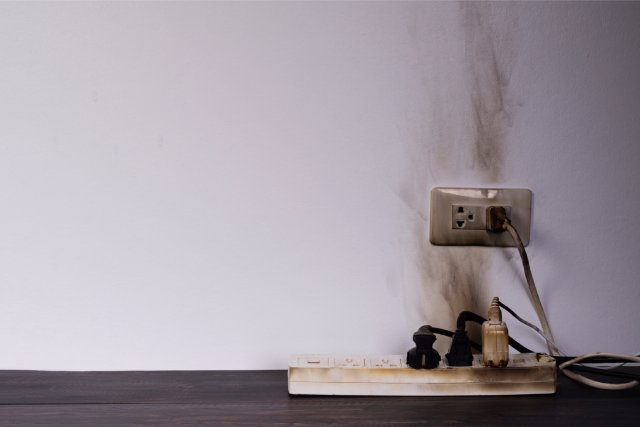
Overloading electrical circuits leads to overheating and fires. In busy spaces, people often plug in devices without considering circuit capacity. For instance, an office may plug multiple high-power devices into a single outlet, risking overload.
Educate occupants on safe electrical use and the risks of overloading circuits. This reduces the risk of electrical fires or equipment damage.
Structural Cracks and Water Damage
Cracks and water damage are safety hazards in commercial buildings that many overlook. A small crack in a wall or ceiling might hint at larger structural shifts, potentially endangering the integrity of the building.
Water damage, whether from leaks or poor drainage, can weaken foundational elements, leading to costly repairs down the line. Ignoring these signs can result in severe structural failures, presenting safety hazards for everyone inside.
Regular, thorough inspections will catch these issues early, allowing building managers to address them before they escalate.


You May Also Like

How To Find A New Hobby As An Adult

Forgotten Addicts; The Elderly

